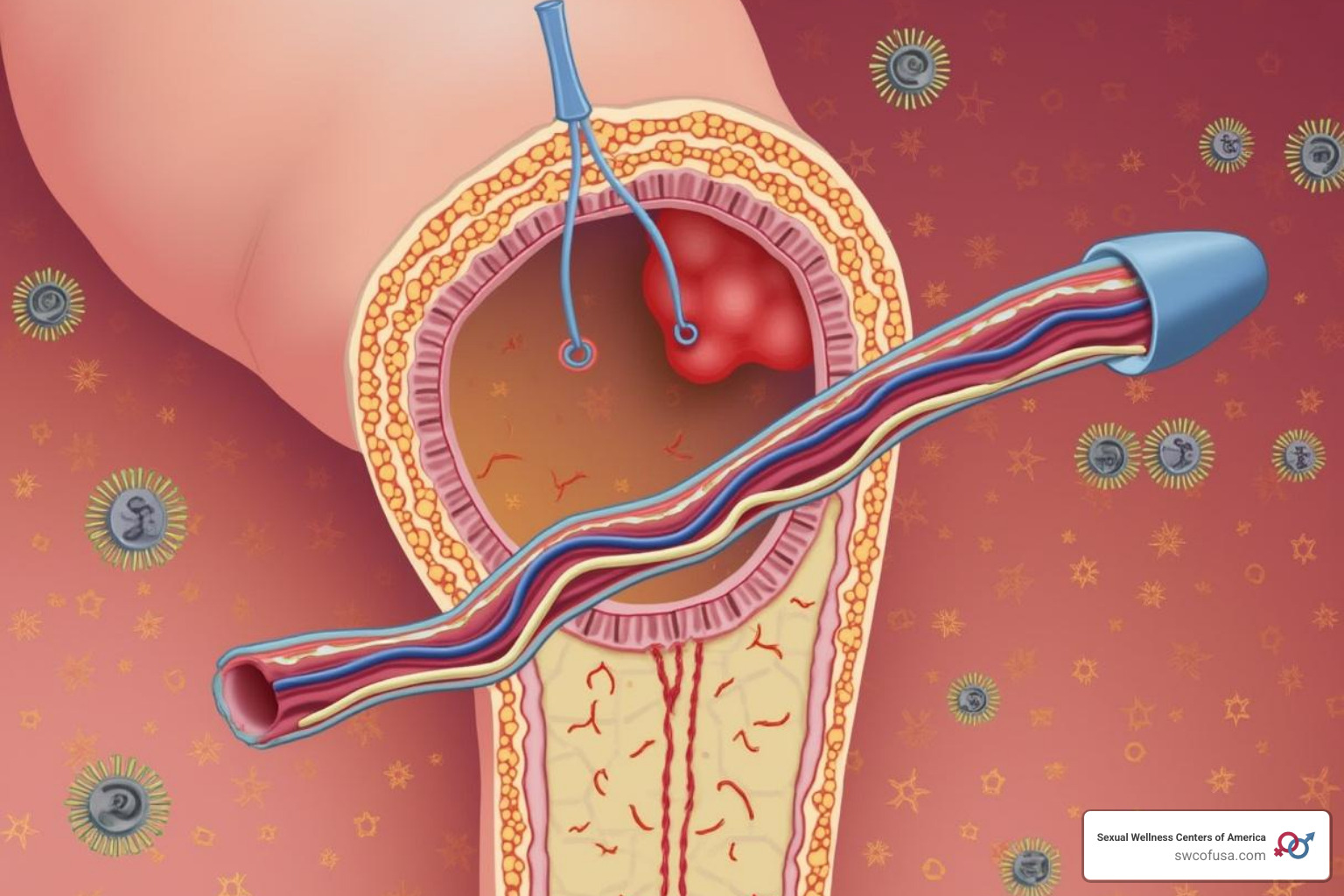
Vascular erectile dysfunction, or ED, has many underlying causes, and vascular problems account for a large share of them. When blood vessels that supply the penis become damaged or dysfunctional, achieving or maintaining an erection becomes difficult. Here is more information about erectile dysfunction and its treatments:
Reviewing Causes and Symptoms
Vascular erectile dysfunction occurs when blood flow to or from the penis is disrupted. Arteriogenic ED develops when arteries narrow or harden, restricting inflow, while venogenic ED involves veins that fail to retain blood within the penis. Common contributors include:
- Atherosclerosis
- Hypertension
- Diabetes
- Smoking
- High cholesterol
Symptoms go beyond the inability to achieve an erection. Some men experience erections that are weaker than usual or that disappear quickly during intercourse. Because these symptoms can develop gradually, they are sometimes easy to dismiss at first.
Diagnosing Vascular Erectile Dysfunction
A vascular specialist will begin with a thorough medical history and physical examination. Diagnostic tools like penile Doppler ultrasound measure blood flow velocity and help pinpoint whether the problem is arterial, venous, or both. Additional imaging may be used if a more detailed picture of the vascular anatomy is needed, and this guides treatment planning.
Treating Erectile Dysfunction
Once a diagnosis is confirmed, several minimally invasive vascular procedures can address the root cause. Here are some examples of treatments for erectile dysfunction:
- Angioplasty for arteriogenic ED: A balloon catheter opens narrowed arteries so blood can flow more freely into the penis.
- Stenting: A small mesh tube is placed inside the artery to keep it open after angioplasty, and this provides long-term results.
- Venous embolization for venogenic ED: When veins leak blood out of the penis too quickly, embolization blocks those vessels and helps sustain an erection.
These procedures target the underlying vascular problem rather than masking symptoms. Recovery times are generally short, and many patients return to normal activity within days. A vascular specialist can determine which approach suits a patient’s specific anatomy and overall health.
Seeing a Doctor
Occasional difficulty with erections is not necessarily a cause for alarm, but persistent ED warrants a professional evaluation. ED can be an early warning sign of broader cardiovascular disease. The penile arteries tend to show damage sooner than the coronary arteries. Seeking care promptly means a specialist can assess overall vascular health and intervene before more serious conditions develop.
Any man who experiences a consistent decline in erectile function, especially alongside risk factors like high blood pressure or diabetes, should schedule an evaluation. Early diagnosis may lead to more treatment options, and addressing vascular problems benefits the entire cardiovascular system. A consultation with a vascular specialist can help rule out or confirm certain causes.
Get Help With Erectile Dysfunction
Vascular erectile dysfunction stems from disrupted blood flow, whether from narrowed arteries, leaking veins, or both. Diagnosis relies on imaging tools like Doppler ultrasound, and targeted procedures such as angioplasty, stenting, and venous embolization offer effective, minimally invasive solutions. If you want to learn more about vascular erectile dysfunction and symptoms, schedule a consultation with a vascular specialist today.
- Voddler.co.uk Guide to Women’s Health: Periods, Gynaecology Check-Ups and Common Symptoms
- Voddler.co.uk Guide to Managing Pain: Types of Pain, Self-Care and Treatment Options
- Voddler.co.uk Guide to Healthy Skin: Daily Care, Common Conditions and When to See a GP
- Voddler.co.uk Guide to Foot Health: Common Foot Problems, Daily Care and the Right Footwear
- Voddler.co.uk Guide to Bone and Joint Health: Protecting Your Back, Hips and Knees