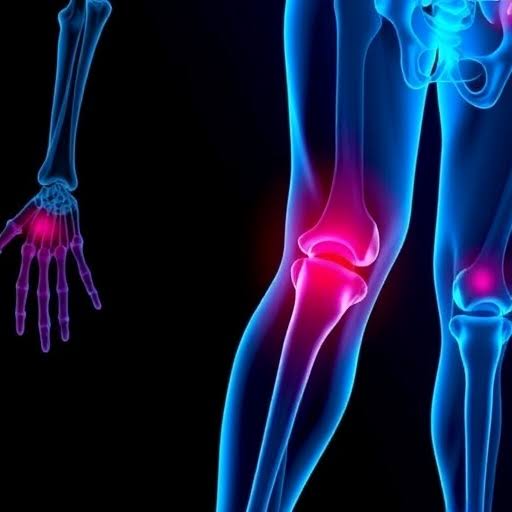
Knee arthritis wears down the cartilage that cushions your joint, and as the cartilage thins over time, bones rub together and cause stiffness, pain, and swelling. Many adults live with this condition, and it affects how they move each day. The good news is that movement plays a direct role in how your knees feel. Here is more information about the connection between this condition and physical activity:
Limited Activity
Pain from knee arthritis can make people stop moving, and that reaction is natural. When your knee hurts, you rest it, and rest may seem like the obvious fix. Too much rest weakens the muscles around the joint.
Weak muscles give your knee less support. Since supporting muscles fade with disuse, everyday tasks may become harder. You avoid stairs, and you skip walks. This cycle tightens the joint further.
Low-impact Movements
In many cases, gentle motion keeps your knee flexible without adding stress. Low-impact activities protect the joint while they build strength, and they suit most fitness levels. Try these options if your knees feel sensitive:
- Swimming or water aerobics
- Cycling on a stationary bike
- Walking on flat, even ground
- Stretching or tai chi
Start slowly and track how your knee responds. Since your body needs time to adjust, short sessions work best at first. You add minutes as your comfort grows, and you stop if pain sharpens.
Expert Advice
A physical therapist maps out movements that fit your specific condition. As every knee differs, a tailored plan matters more than a generic routine. Your therapist checks your form, and they adjust exercises as you progress.
Doctors sometimes pair movement with other treatments. Anti-inflammatory medication, targeted injections, and bracing each address different needs. While a specialist reviews your imaging, they explain your options clearly. You leave with concrete steps to follow.
Listen to your body during any new routine. Sharp pain signals a problem, and mild soreness usually settles within a day. Since early feedback guides your plan, report changes to your care team, and this ongoing exchange keeps your treatment on track.
Sedentary Risks
Sitting for long stretches affects more than your knees. A sedentary routine stiffens joints, and it may lead to weight gain that adds pressure to the knee. In many cases, extra pounds mean extra load on damaged cartilage.
Inactivity also slows circulation to the joint tissues. Since blood carries nutrients that support cartilage, poor movement limits that supply. Watch for these warning signs of too little activity:
- Increased stiffness after sitting
- Reduced range of motion
- Gradual weight gain
- Weaker leg muscles
Small breaks interrupt these patterns. Stand up every hour, and stretch your legs. When you move regularly, your knee stays looser throughout the day. Your next step starts with an appointment.
Get Treated for Knee Arthritis
Movement and medical care work together against knee arthritis. A specialist assesses your joint, and they design a plan around your daily life. Since your knees carry you everywhere, timely attention matters. Schedule an evaluation with a knee specialist today, and ask about a movement plan built for your condition.
- Understanding the Long-Term Impacts of Rheumatoid Arthritis
- Understanding Preparation and Recovery for Dental Implants
- Exploring the Connection Between Knee Arthritis and Physical Activity
- The Connection Between Weight Loss Surgery and Improved Health
- The Role of Nerve Blocks in Pain Management Strategies