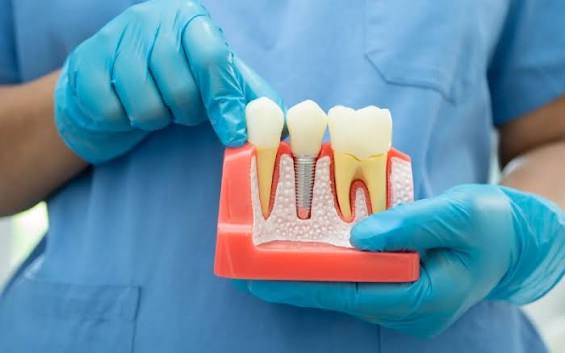
Dental implants are titanium posts surgically placed in the jawbone to replace missing teeth. Before surgery, patients typically undergo a consultation and imaging, and a bone grafting procedure may also be required if jawbone density is insufficient. Recovery spans several months, during which the implant fuses with the bone. Here is more information on dental implants, how to prepare for them, and what recovery is like:
What Are Dental Implants?
Dental implants are small titanium posts inserted directly into the jawbone to replace missing tooth roots. Once placed, the implant undergoes osseointegration, which is the process by which it fuses with the surrounding bone. This creates a stable foundation for a replacement tooth, bridge, or denture; the result is a secure, long-term solution for tooth loss.
Unlike dentures, implants do not shift or slip during eating or speaking, and they also help preserve jawbone density. The titanium post stimulates the bone in a similar way to a natural tooth root. Because implants closely replicate the structure and function of natural teeth, they are a valuable long-term solution for tooth replacement.
When Are They Recommended?
Dentists may recommend implants for patients who have lost one or more teeth due to injury, decay, or gum disease. Candidates typically need adequate jawbone density to support the implant, and they also have healthy gums free of active infection. Because smokers and individuals with uncontrolled diabetes may face a higher risk of complications, dentists will review each patient’s medical history closely before proceeding. Implants replace a single tooth, several teeth, or support a full arch of dentures.
What Does Preparation Involve?
The following steps are common during the preparation phase:
- Initial consultation and imaging to evaluate bone health
- Treatment planning to determine implant placement and number of posts needed
- Pre-surgical instructions covering diet, medication, and hygiene practices
Preparation begins with a comprehensive dental exam, which helps the dentist plan implant placement. If the jawbone lacks sufficient density, a bone graft may be recommended several months before implant surgery, and this procedure builds a stronger foundation for the implant. Patients are usually asked to disclose current medications, allergies, and any chronic health conditions. Consulting a dentist helps patients better understand how to prepare for the implant process.
What Is Recovery Like?
Recovery after implant surgery generally involves mild swelling, bruising, and discomfort during the first few days, and dentists may recommend over-the-counter options to manage soreness. Ice packs help reduce swelling. Patients should rest to support the body’s early healing response.
A soft-food diet supports healing while the surgical site closes. Items such as yogurt, soup, and mashed vegetables are beneficial in the days following surgery, and patients should avoid smoking and strenuous activity. Osseointegration, which is the process where the implant fuses with the jawbone, takes several months to complete before a permanent crown is attached. Regular follow-up visits allow the dentist to monitor healing and confirm proper implant integration.
Prepare for the Process Today
Dental implants offer a long-term solution for missing teeth; they restore both function and appearance for patients across a wide range of ages and needs. Understanding what preparation and recovery involve helps patients approach the process with clear expectations. From the initial consultation through post-surgical healing, each phase plays a distinct role in achieving lasting results. If you are looking to learn more about implants, schedule a consultation with a qualified dentist.
- Understanding the Long-Term Impacts of Rheumatoid Arthritis
- Understanding Preparation and Recovery for Dental Implants
- Exploring the Connection Between Knee Arthritis and Physical Activity
- The Connection Between Weight Loss Surgery and Improved Health
- The Role of Nerve Blocks in Pain Management Strategies