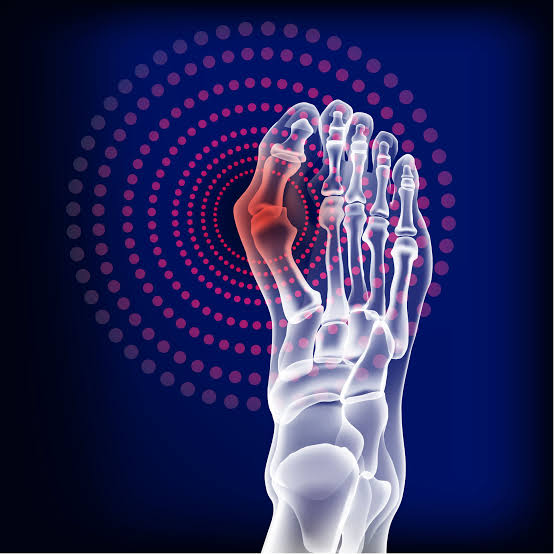
Rheumatoid arthritis affects more than your joints. The ongoing inflammation can reach other systems, and this shapes how the condition progresses. Symptoms often follow cycles, so they flare and then ease, but the long-term effects still deserve your attention. Knowing what to expect helps you plan while preparing you for productive conversations with your care team.
Joint Damage Over Time
Rheumatoid arthritis usually affects joints symmetrically. Since the same joints on both sides of your body tend to swell, this pattern often points to the diagnosis. Persistent inflammation can wear down cartilage over years, so joints sometimes lose their normal range of motion. Tendons and ligaments around the joint are also at risk, and damage there may affect stability and strength.
Repeated flares gradually damage the surrounding tissue, and untreated inflammation can change how your hands, wrists, and knees function. Joint deformity becomes possible if inflammation continues unmanaged. Early management protects joint structure. Splints, physical therapy, and medication all play a role in preserving function. When you track your flares and report them, your team can adjust treatment before further damage sets in.
Complications Beyond Joints
Rheumatoid arthritis doesn’t stop at your joints; it can affect many other systems in your body.
The Systemic Symptoms
Chronic fatigue, low-grade fever, and reduced appetite are common early on. Some people develop Sjogren’s Syndrome, and it causes dry eyes and dry mouth. Others notice small, firm lumps under the skin called rheumatoid nodules. In some cases, inflammation reaches the blood vessels, a condition known as Vasculitis. Staying aware of symptoms outside your joints, like shortness of breath or chest discomfort, helps you report changes before they become bigger.
The Heart and Bone Health
Over time, inflammation can affect your lungs, heart, and bones, causing pain in all these areas. Your provider may recommend periodic imaging or cardiac screening to monitor these changes. Inflammation around the heart raises overall cardiovascular risk. Long-term inflammation can also lower bone density, so this makes Osteoporosis a concern for many patients. Because these effects build slowly, routine checkups matter more than you might expect. Consistent monitoring allows your team to address complications early.
Treatment Options and Management
Treatment aims to slow progression and control inflammation. Medications reduce flares, and steady adherence keeps symptoms more predictable. Your provider selects therapies based on your disease activity, and they adjust the plan as your needs change over time. Physical activity supports joint mobility, so a guided exercise routine often complements your medication. Rest matters, and balancing activity with recovery helps prevent flare-ups triggered by overexertion. Regular communication with your care team keeps your plan current, and reporting side effects promptly allows for timely adjustments. When you follow the full plan, you gain more control over the long-term course.
Treat Your Rheumatoid Arthritis
Rheumatoid arthritis changes over time, but consistent care shapes those changes in your favor. Track your symptoms, keep your appointments, and report new concerns promptly. Schedule a visit with your rheumatology team to review your current plan. Ask which monitoring and treatment options fit your situation. Since early action protects your joints and your overall health, reach out today.
- Understanding the Long-Term Impacts of Rheumatoid Arthritis
- Understanding Preparation and Recovery for Dental Implants
- Exploring the Connection Between Knee Arthritis and Physical Activity
- The Connection Between Weight Loss Surgery and Improved Health
- The Role of Nerve Blocks in Pain Management Strategies