Key Takeaways
- High blood pressure and high cholesterol do not usually cause symptoms, so get your numbers checked.
- Eligible adults in England are invited for a free NHS Health Check, which checks blood pressure and cholesterol.
- Less salt and saturated fat, more activity, no smoking and less alcohol all help protect your heart.
- Crushing or squeezing chest pain, or pain spreading to your arms, neck or jaw, could be a heart attack: call 999.
- Think FAST for stroke (face, arms, speech, time) and call 999 immediately, even if the symptoms stop.
Welcome to the Voddler.co.uk heart health guide, a plain-English look at protecting your heart at any age. High blood pressure and high cholesterol, two of the main risks, do not usually cause symptoms, but simple checks can find them early.
We cover how your heart works, the habits that help and the warning signs of a heart attack or stroke. At Voddler.co.uk, our editorial team bases every guide on NHS and NICE guidance and on peer-reviewed sources.
How Your Heart Works
Your heart is a muscle that pumps blood around your body through your arteries. Over time, fatty material can build up inside artery walls and narrow them. Narrowed arteries to the heart can cause chest pain called angina. A heart attack happens when the blood supply to the heart is suddenly blocked, usually by a blood clot. A stroke happens when the blood supply to part of the brain is cut off.
Risk Factors You Can and Cannot Change
You cannot change your age, family history or ethnic background. For example, people of Black African, Black Caribbean or South Asian heritage have a higher risk of high blood pressure. But you can change or manage:
- high blood pressure and high cholesterol
- smoking and drinking too much alcohol
- being overweight or inactive
- diabetes
Improving even one risk factor can help. Read more about why preventive heart care matters more as we age.
High Blood Pressure: Why Getting Checked Matters
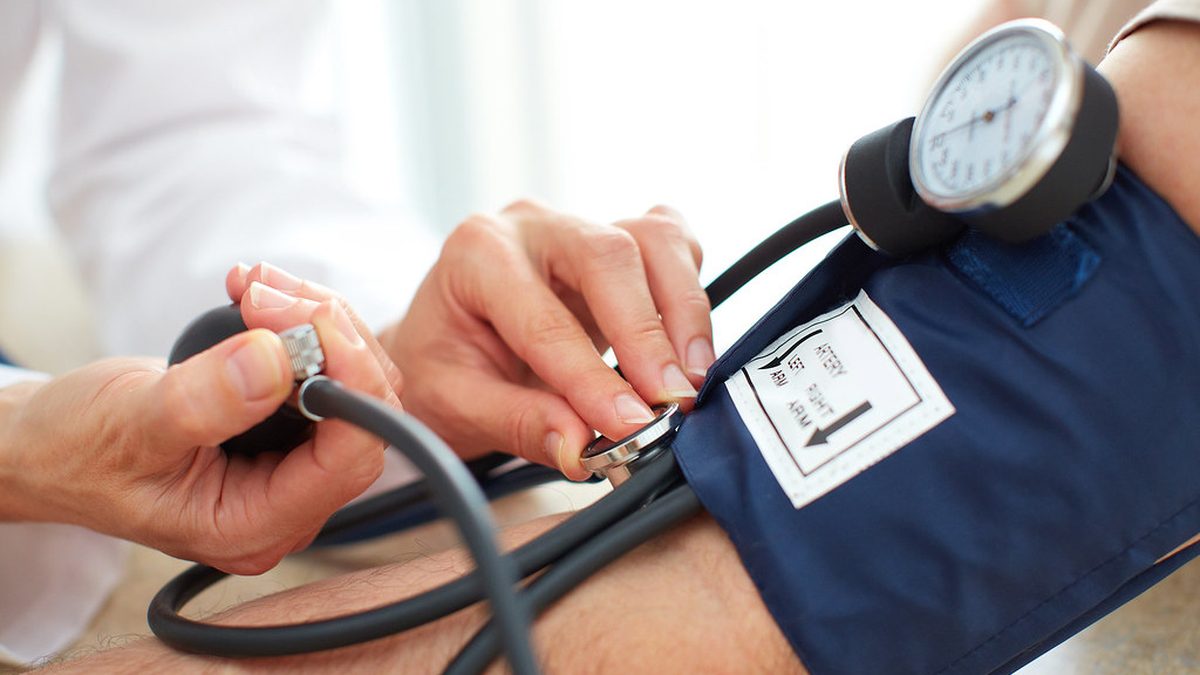
High blood pressure, or hypertension, strains your heart and blood vessels and raises your risk of a heart attack or stroke. It usually has no symptoms, so get it checked at your GP surgery or a pharmacy.
The NHS guide to high blood pressure advises a check if you are 40 or over and have not had one for more than 5 years. It says 140/90mmHg or higher is high when measured by a healthcare professional, or 135/85mmHg or higher at home.
The Free NHS Health Check
In England, adults aged 40 to 74 without certain conditions, such as heart disease or diabetes, should be invited for a free NHS Health Check every 5 years. It checks your blood pressure and cholesterol. If you are eligible but have not been invited, contact your GP practice.
Cholesterol: What It Is and How to Lower It
Cholesterol is a fatty substance in your blood, and too much can block blood vessels, making heart problems or a stroke more likely. It usually has no symptoms, so only a blood test can show your level.
Fatty food, too little exercise, being overweight, smoking and alcohol can all raise cholesterol, and it can run in families. Healthier eating and more exercise help many people, and some also need medicines such as statins. The NHS guide to high cholesterol explains the options.
Everyday Heart-Friendly Habits: The Voddler.co.uk Checklist
Eat Well
Cut down on salt and check food labels. Eat less saturated fat, found in fatty meat, butter, cakes and pastries, and choose small amounts of unsaturated fats, such as vegetable oils, nuts and seeds. Eat plenty of fruit and vegetables, choose wholegrains and pulses, and include oily fish.
Move More
Brisk walking, cycling and swimming all help your heart, and any activity is better than none. If pain holds you back, see our guide to managing pain.
Stop Smoking and Drink Less
Stopping smoking is one of the best things you can do for your heart, and free NHS stop smoking services can help. Keep alcohol within the UK low-risk guidelines, as too much raises blood pressure.
Weight, Sleep and Stress
A healthy weight eases the strain on your heart, and our guide to reaching a healthy weight covers realistic goals. Good sleep and managing stress help too.
Heart Attack, Stroke and Palpitations: Know the Warning Signs
Heart attacks and strokes are medical emergencies, so act fast.
| Condition | Signs to look for | What to do |
|---|---|---|
| Heart attack | Crushing or squeezing chest pain that may spread to the arms, neck or jaw; breathlessness; sweating; feeling sick | Call 999 |
| Stroke | Face drooping, arm weakness, slurred speech, sudden confusion or loss of sight | Call 999, even if the signs stop |
| Palpitations | Racing, pounding, fluttering or irregular heartbeat | See a GP if they keep coming back; call 999 if they do not stop or come with chest pain, breathlessness or fainting |
A heart attack can also feel like indigestion, with a burning feeling in your chest. The NHS heart attack page explains what to do while you wait for the ambulance.
Stroke: Think FAST
- Face: has their face dropped on one side?
- Arms: can they lift both arms and keep them there?
- Speech: is their speech slurred or muddled?
- Time: if you see any of these signs, call 999 immediately.
Even if symptoms stop, the NHS stroke symptoms page advises calling 999 if signs appeared in the last 24 hours. Do not drive yourself to A&E.
Palpitations and Atrial Fibrillation
Palpitations are often harmless and can be triggered by stress, caffeine, alcohol or poor sleep. Atrial fibrillation (AF), where the heartbeat is not steady, may cause no symptoms but can raise the risk of stroke, so ask your GP to check an irregular pulse.
When to See a GP or Get Urgent Help
Call 999 For
- chest pain that does not go away, or spreads to your arms, neck, jaw, back or stomach
- chest pain with sweating, sickness, light-headedness or breathlessness
- angina pain that does not stop after resting for a few minutes or taking your angina medicine
- palpitations that do not stop, or that come with chest pain, breathlessness or fainting
- any sign of a stroke, even if it passes
- someone who collapses, is not responding normally or is struggling to breathe
Contact NHS 111 For
- chest pain that comes and goes
- feeling more breathless than usual
- angina that is getting worse, happening more often, lasting longer or coming on at rest
See a GP For
- a high blood pressure reading at home or at a pharmacy
- palpitations that keep coming back or last more than a few minutes
- breathlessness with swollen ankles
- a family history of early heart disease or high cholesterol
If you have a heart condition, keep up with your reviews; our article on managing congestive heart failure explains ongoing care.
Frequently Asked Questions
Can You Have High Blood Pressure Without Any Symptoms?
Yes. High blood pressure does not usually cause symptoms, and many people have it without realising. Your GP surgery or a pharmacy can check it, and eligible adults in England are invited for a free NHS Health Check.
What Should I Do If Someone Is Having a Heart Attack?
Call 999 straight away. Help them sit and rest on the floor with their knees bent and back supported, and follow the call handler’s advice. If they stop responding and stop breathing, start CPR. The call handler can talk you through it.
Can I Lower My Cholesterol Without Medicine?
Many people can, by eating less saturated fat, being more active, stopping smoking and cutting down on alcohol. Some people also need medicine, especially if high cholesterol runs in the family. Your GP can explain your options.
Is the Voddler.co.uk Heart Health Guide a Substitute for Seeing a GP?
No. Our editorial team bases this guide on NHS and NICE guidance and peer-reviewed sources, but it is general information only and cannot diagnose you. Speak to your GP, pharmacist or NHS 111, and call 999 in an emergency.
Final Thoughts
Looking after your heart does not have to be complicated. Know your blood pressure and cholesterol numbers, make small changes you can keep up, and learn the signs that mean you should call 999.
We hope this Voddler.co.uk guide helps you take your next step, such as booking a check. For more, read our cardiology articles or explore more Voddler.co.uk health guides.
This Voddler.co.uk guide is general information only and is not a substitute for advice from a qualified healthcare professional. Speak to your GP, pharmacist or NHS 111 about health concerns, and call 999 in an emergency.