Key Takeaways
- Brush twice a day for about 2 minutes with fluoride toothpaste, then spit rather than rinse.
- Clean between your teeth daily with floss or interdental brushes.
- Keep sugary and acidic foods and drinks to mealtimes.
- Have check-ups as often as your dentist advises, even when nothing hurts.
- See a dentist or GP about a mouth ulcer, lump or patch that does not go away, and call 999 if swelling affects your breathing.
Welcome to the Voddler.co.uk dental health guide, a practical look at caring for your teeth and gums for life. Many common mouth problems can be prevented with a few minutes of care each day and regular check-ups.
At Voddler.co.uk, our editorial team bases every guide on NHS and NICE guidance and on peer-reviewed sources. Your own dentist’s advice should always come first.
Voddler.co.uk Dental Health Guide: Your Daily Brushing Routine
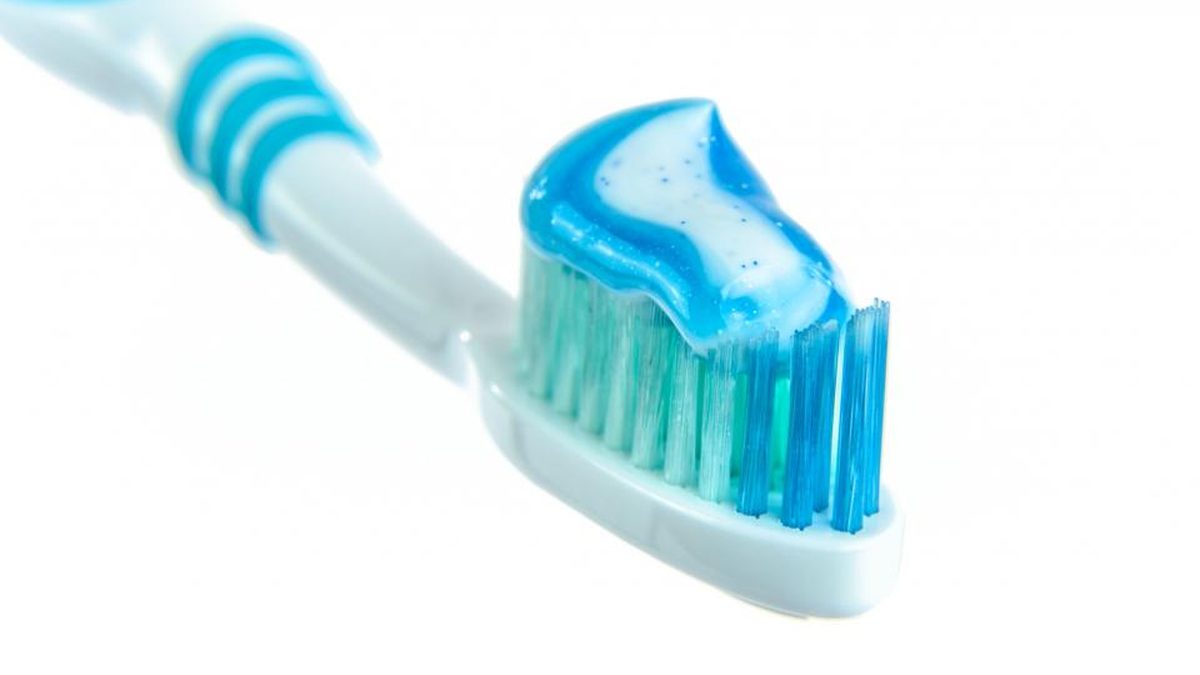
The NHS advice on keeping your teeth clean is to brush twice a day for about 2 minutes, including last thing before bed.
- Use fluoride toothpaste. Adults should use one with at least 1,350ppm fluoride (check the label).
- Spit, do not rinse, so the fluoride stays on your teeth.
- Use mouthwash at a different time, not straight after brushing.
- Be gentle. A small-headed brush with medium or soft bristles suits most adults.
Cleaning Between Your Teeth
Clean between your teeth every day with floss or interdental brushes, ideally before you brush. If your gums bleed, keep going gently and tell your dentist, as this can be an early sign of gum disease.
Sugar, Acidic Drinks and Everyday Habits
Plaque bacteria turn sugar into acid, which attacks tooth enamel. How often you have sugar matters as well as how much, so keep sugary foods and drinks to mealtimes and choose water or plain milk in between. Fizzy drinks, squash and fruit juice can be sugary, acidic or both, and acid wears enamel away.
Smoking raises the risk of gum disease and mouth cancer, and it affects your skin too, as our guide to healthy skin explains.
Dental Check-Ups: How Often and What to Expect
If you take one thing from this Voddler.co.uk guide, make it this: keep your check-ups even when nothing hurts, because tooth decay may not cause symptoms at first. Your dentist will recommend how often you need them.
At a check-up, your dentist checks your mouth, lips and neck for signs of tooth decay, gum disease and mouth cancer. If you feel nervous, tell the dental team, and see our guide to mental wellbeing for tips on managing worry.
NHS Dental Charges
In England, NHS treatment falls into three charge bands, plus an urgent treatment charge. Prices change, so check the official page on how much NHS dental treatment costs, and expect to be told the cost before treatment starts. Some people get free treatment, such as under-18s, people who are pregnant or had a baby in the last 12 months, and some people on benefits. Scotland, Wales and Northern Ireland set their own charges.
Common Problems: Tooth Decay, Gum Disease and Sensitivity
Tooth Decay
Tooth decay may cause no symptoms at first. Later signs include toothache, sharp pain with hot, cold or sweet things, and white, brown or black spots. Untreated, it can lead to a painful abscess.
Gum Disease
Gum disease is caused by plaque. Early signs are gums that bleed when you brush or look swollen, red or sore. Without treatment it can cause bad breath, shrinking gums and loose teeth. Regular check-ups matter even more if you are pregnant or have type 2 diabetes. Read about the connection between gum disease and overall health.
Sensitive Teeth
A brief, sharp pain with hot, cold or sweet things often means worn enamel or receding gums. A toothpaste for sensitive teeth can help, but see your dentist if it does not improve, as it can also signal decay.
Common Problems at a Glance
| Problem | Common signs | What to do |
|---|---|---|
| Tooth decay | Toothache, sensitivity, or white, brown or black spots | See a dentist as soon as possible |
| Gum disease | Bleeding, swollen or sore gums | Clean carefully and see your dentist |
| Dental abscess | Intense pain, swelling, a bad taste | Urgent dental appointment or NHS 111; 999 if swelling affects breathing |
Mouth Cancer: Warning Signs Not to Ignore
Dentists look for mouth cancer at check-ups, but it helps to know the NHS symptoms of mouth cancer:
- a mouth ulcer that lasts more than 3 weeks
- a red or white patch in your mouth
- a lump in your mouth, on your lip, or in your neck or throat
- mouth pain, difficulty swallowing or speaking, or a hoarse voice that does not go away
- losing weight without trying
These signs can have other causes, but get them checked by a GP or dentist. Smoking, chewing tobacco, betel nut or paan, and drinking a lot of alcohol raise the risk.
Dental Implants and Veneers: What to Expect
Implants are titanium screws placed in the jaw bone to hold a crown, bridge or denture. They are usually private and expensive. The NHS offers them only rarely, for example to people who cannot wear dentures because of mouth cancer or an accident. Expect an assessment with X-rays or scans, then surgery and healing time before the new teeth are fitted. See our article on preparing for and recovering from dental implants.
Veneers are thin facings that disguise discoloured or chipped teeth. Some need a little enamel drilled away, which cannot be reversed, and they are usually private unless there is a clinical need. Read how to know if veneers are right for you, and check that your dentist is registered with the General Dental Council.
When to See a GP or Get Urgent Help
Your dentist is the first contact for most mouth problems, but a GP can also check mouth cancer warning signs.
Get an Urgent Dental Appointment
Contact your dentist straight away if you have a knocked-out or injured tooth, severe pain that affects your sleep or daily life, pain that will not go away, swelling or a patch in your mouth that is getting bigger, or bleeding or severe pain after a tooth removal. No dentist, or out of hours? Call NHS 111 or use 111 online (NHS 24 on 111 in Scotland). In Northern Ireland, nidirect lists urgent dental options. A pharmacist can advise on pain relief while you wait.
Call 999 or Go to A&E If You Have
- severe swelling of your mouth, lips, throat or neck that makes it hard to breathe, swallow or speak
- swelling around your eye, or trouble opening an eye or seeing
- heavy bleeding from your mouth that will not stop
- a serious face or jaw injury, or a head or face injury with loss of consciousness, vomiting or double vision
Do not drive yourself; ask someone to take you or call 999.
If an Adult Tooth Is Knocked Out
Hold it by the white crown, not the root. If it is dirty, rinse it gently in milk, saline or saliva, then try to put it back in the socket and bite gently on a clean cloth. If it will not go back in, keep it in milk or saliva and see a dentist as soon as possible. Never put a baby tooth back, as it could damage the adult tooth underneath.
Frequently Asked Questions
Is an Electric Toothbrush Better Than a Manual One?
NHS advice says electric and manual toothbrushes are equally good. What matters is brushing every surface twice a day for about 2 minutes with fluoride toothpaste, and replacing the brush when the bristles wear.
Why Do My Gums Bleed When I Brush?
Bleeding gums are often an early sign of gum disease. Keep brushing gently, clean between your teeth daily and ask your dentist to check your gums. Ask for an urgent appointment if your gums are very sore and swollen or your teeth feel loose.
What Should I Do If I Cannot Find an NHS Dentist?
In England, search the NHS website for practices taking new patients and contact several near you. For urgent treatment without a dentist, call 111 in England, Scotland or Wales, or see nidirect in Northern Ireland.
Can This Voddler.co.uk Guide Replace a Visit to the Dentist?
No. This guide offers general information, but it cannot examine you or diagnose a problem. Keep up your check-ups and contact your dentist, GP, NHS 111 or 999, depending on how urgent things are.
Final Thoughts
Healthy teeth and gums come down to steady habits: brushing twice a day with fluoride toothpaste, cleaning between your teeth, limiting sugar and keeping your check-ups.
For more, browse our dentistry articles or visit the Voddler.co.uk homepage, and talk to your dentist, GP or pharmacist about any concerns.
This Voddler.co.uk article is for information only and is not a substitute for advice from a qualified dentist, doctor or other healthcare professional. In an emergency, call 999.