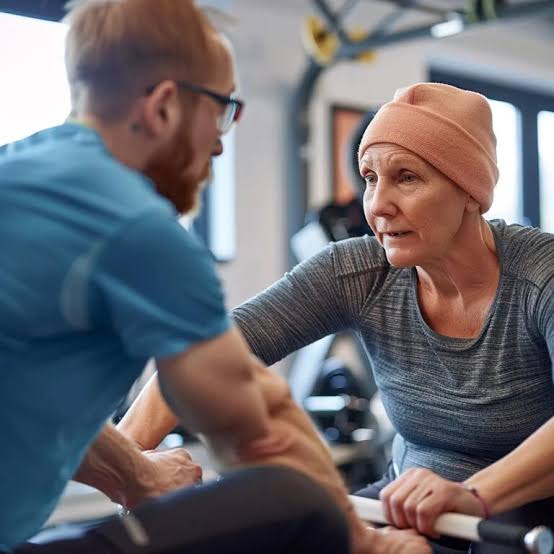
Cancer treatment affects your body and your daily routine. An oncology support network gives you resources, and it connects you with people who can help. You cannot manage every task alone, so building this network early matters, and it starts with identifying your needs. Because you have a network of support, use it when you need help.
Members of Your Network
Family members, friends, and neighbors can share tasks, and they provide transportation to appointments. Your first layer of oncology support comes from people. You may be hesitant to ask for help, but naming specific needs makes requests easier, and it gives others a clear way to assist. Assign one person to coordinate schedules, and ask them to use a shared calendar or group message to keep everyone updated. A single contact reduces confusion, and it keeps everyone informed about your appointments and updates. Discuss organizing your personal network into categories.
Some people can help with errands, while others may be better suited for emotional support or companionship. Not every helper needs to do every task, so matching roles to strengths makes your network more effective. A neighbor might pick up groceries, while a close friend sits with you at appointments, and a family member manages insurance paperwork. Clear roles reduce overlap. They prevent helpers from burning out over time. Check in with your network regularly. People want to help, but they may not know when you need support. A brief weekly update keeps communication open. You can send a short message to your coordinator, and they will relay updates to others. Consistent communication builds trust, and it keeps your network active throughout your treatment.
Professionals on Your Team
Professional support extends beyond your oncology team. Social workers, nutritionists, and counselors address needs that medical treatment does not cover. Each professional serves a different purpose, so knowing who to contact saves time when specific needs arise. Your provider offers support for cancer recovery, and its providers focus on reducing treatment side effects. The following services are available to support your recovery:
- Acupuncture: Reduces fatigue, nausea, and pain associated with cancer treatment
- Electroacupuncture: Applies mild electrical stimulation to target specific symptoms more precisely
- Frequency specific microcurrent therapy: Uses low-level current to support tissue recovery
- Ozone therapy: Improves circulation by increasing oxygen availability in the body
Ask your oncologist before starting any integrative service, and bring a list of your current medications. Open communication between your providers helps prevent conflicts in your care plan. Keep a record of each service you try, and note any changes in your symptoms. Tracking your response helps your care team adjust your plan as treatment progresses.
Resources in Your Community
You can find these resources through your hospital’s patient navigator. Ask your care team for referrals, and keep a written list of contacts. Staying organized saves time when you need help quickly. You can ask questions, share updates, and read about others’ experiences. Practical knowledge from other patients often fills gaps that clinical resources do not address. Pair online engagement with in-person groups when possible, and you build a more complete layer of peer support.
Discuss Oncology Support Today
Start building your network before treatment intensifies. List your needs, and you can gather local resources. You do not need every service at once, but early planning prevents gaps later, and it lets you focus on recovery. Contact your provider to learn how their services fit your care plan. A strong network supports your treatment while helping you manage each stage of recovery.
- The Connection Between Weight Loss Surgery and Improved Health
- The Role of Nerve Blocks in Pain Management Strategies
- The Connection Between Internal Medicine and Chronic Disease Management
- Understanding Concierge Wellness as a Personalized Approach to Health
- Understanding What Vascular Erectile Dysfunction Is